
In today’s fast-paced world, managing a fleet of vehicles can be a daunting task. From ensuring timely deliveries to monitoring driver behavior, the complexities are numerous. However, car tracking technology is revolutionizing fleet management, making it more efficient and reliable than ever before.
What is Car Tracking Technology?
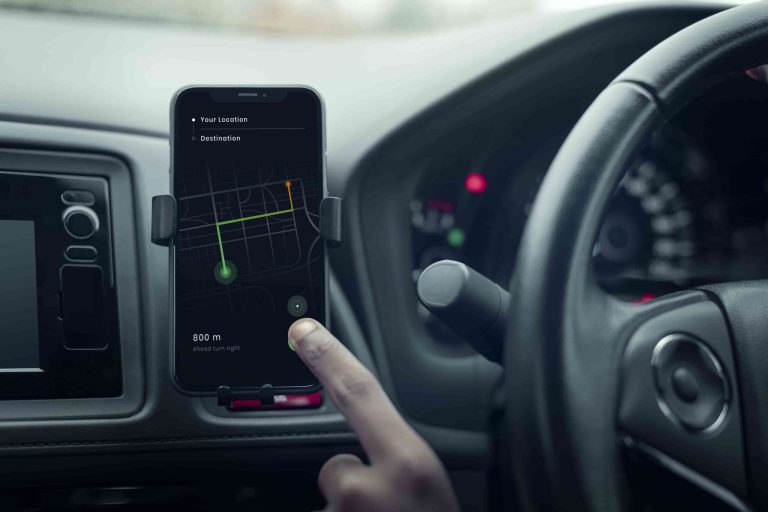
Car tracking technology uses GPS and telematics to monitor the location, speed, and condition of vehicles in real time. This data is invaluable for fleet managers who need to optimize routes, improve safety, and reduce operational costs.
- Enhanced Fleet Efficiency
One of the primary benefits of car tracking is improved efficiency. By analyzing real-time data, fleet managers can optimize routes to avoid traffic congestion and reduce fuel consumption. This not only saves money but also ensures timely deliveries and better customer satisfaction.
- Improved Safety and Compliance
Safety is a top priority for any fleet manager. Car tracking systems provide real-time alerts for unsafe driving behaviors, such as speeding or harsh braking. This allows managers to address issues promptly and ensure compliance with safety regulations.
- Cost Savings
Reducing fuel consumption and maintenance costs are significant advantages of car tracking. By monitoring vehicle performance and driver behavior, companies can identify areas where savings can be made, leading to a more cost-effective operation.
- Enhanced Customer Service
Timely deliveries and accurate tracking information can significantly improve customer satisfaction. Clients can receive real-time updates on their shipments, increasing transparency and trust in your services.
Conclusion
Car tracking technology is not just a trend; it’s a game-changer for fleet management. By leveraging this technology, companies can enhance efficiency, improve safety, reduce costs, and provide superior customer service. As the technology continues to evolve, it’s clear that car tracking will play a pivotal role in the future of fleet management.